September 25, 2026
Selecting the ideal perimeter enclosure for a residential property involves carefully balancing aesthetic elegance, long-term material durability, ongoing upkeep expectations, and overall structural performance. Homeowners frequently find themselves torn between the synthetic convenience of modern polyvinyl chloride compounds and the timeless, organic beauty of traditional red cedar timber. Both fencing options provide distinct benefits regarding property privacy, boundary definition, and curb appeal, yet they differ dramatically in how they age and withstand environmental exposure. Exploring how each material behaves under continuous weather fluctuations, ultraviolet radiation, and soil moisture contact allows property owners to make well-informed investment choices. Partnering with a professional vinyl fencing service ensures that installation protocols maximize structural longevity and visual charm for years to come.
Evaluating perimeter options requires looking beyond initial visual appeal to understand lifetime material behavior and long-term property value impacts. Natural cedar boasts rich aromatic oils and natural grain patterns that blend effortlessly into lush landscape design schemes. Conversely, modern engineered synthetic panels provide consistent manufactured perfection, eliminating worries over natural decay, termite damage, or paint flaking. Recognizing the distinct performance profiles of both materials empowers property owners to align their boundary choices with personal lifestyle demands and long-term property maintenance budgets. A thorough comparison of structural resilience, environmental impact, installation complexity, and routine care expectations provides complete clarity when selecting the ideal material for your home.
Comparing Long-Term Material Durability
Comparing long-term material durability reveals fundamental performance differences between synthetic polyvinyl compounds and organic wood fibers under daily environmental stress. Modern synthetic panels utilize advanced ultraviolet inhibitors and chemical stabilizers that resist sun fading, surface chalking, and thermal brittleness over decades of sun exposure. According to AG Vinyl Fencing, modern vinyl fencing is about five times stronger and significantly more flexible than wood, allowing it to withstand high winds and storms without snapping. This inherent flexibility allows synthetic panels to absorb heavy impact forces without cracking, splintering, or suffering structural fracture.
Evaluating traditional cedar durability highlights both the genuine natural strengths and the inherent structural vulnerabilities of timber construction. Cedar wood possesses natural tannic acids that provide inherent resistance against fungal rot, insect infestations, and moisture damage. However, continuous exposure to rain, snow, and soil moisture eventually breaks down natural wood cell walls, leading to warp development, board twisting, and structural splintering. Without frequent protective sealing applications, cedar pickets gradually lose their structural integrity and fade to a weathered silver-gray tone. Selecting a professional vinyl fencing service guarantees high-grade synthetic materials that maintain structural stability without suffering moisture degradation.
Evaluating Upkeep and Maintenance Requirements
Evaluating upkeep and maintenance requirements underscores the dramatic labor contrast between low-maintenance synthetics and high-maintenance natural timber. Synthetic enclosures demand minimal physical effort from property owners, requiring only occasional spray washings with a garden hose or mild soapy water to remove surface dirt, pollen, and mud splashes. The non-porous surface prevents mold spores, algae, and persistent grime from penetrating deep into the material substrate. Homeowners never need to invest time or financial resources into power washing, sanding, staining, painting, or sealing synthetic panel runs.
Managing cedar fence maintenance involves ongoing physical labor, specialized wood treatments, and recurring financial outlays over the complete operational lifespan of the barrier. To maintain cedar's original warm amber hues, homeowners must thoroughly clean, sand, and restain every picket, post, and cross rail every few seasons. Neglecting routine timber maintenance allows moisture penetration, promoting moss growth, surface mildews, and rapid internal wood decay. Property owners who prefer a hands-off approach to outdoor home maintenance find that securing a reliable vinyl fencing service eliminates weekend labor while preserving pristine property curb appeal.
Analyzing Initial and Lifetime Costs
Analyzing initial and lifetime costs helps homeowners evaluate the true economic value of each perimeter material across extended ownership periods. Synthetic fencing materials typically require a higher initial financial outlay for raw manufacturing components, specialized posts, and custom installation accessories. However, because synthetic materials require zero paint, stain, or chemical treatments, the total ownership expense drops significantly over subsequent decades. The absence of routine chemical sealants and replacement hardware effectively offsets the higher upfront purchase price, delivering exceptional long-term financial value for homeowners.
Calculating cedar lifetime costs requires factoring in recurring material purchases for stains, sealants, replacement boards, and physical repair hardware. While raw cedar lumber often carries a lower initial purchase tag than premium synthetic systems, ongoing maintenance outlays compound steadily over time. Additionally, rot-damaged posts and warped pickets frequently require partial board replacements to maintain visual uniformity and structural safety. Homeowners who engage an experienced vinyl fencing service benefit from long-term financial predictability, avoiding the recurring material expenses associated with maintaining natural wood barriers.
Assessing Aesthetic and Architectural Appeal
Assessing aesthetic and architectural appeal involves matching perimeter styles with home design themes, neighborhood architecture, and landscape aesthetics. Cedar fencing offers an authentic, rustic visual warmth that synthetic manufacturing processes cannot entirely duplicate. The unique wood grain patterns, subtle knot details, and natural color variations create a rich, organic boundary that complements lush gardens, craftsman architecture, and traditional home styles. Additionally, cedar accepts custom stains, allowing property owners to alter fence coloration from deep reddish tones to light natural finishes over time.
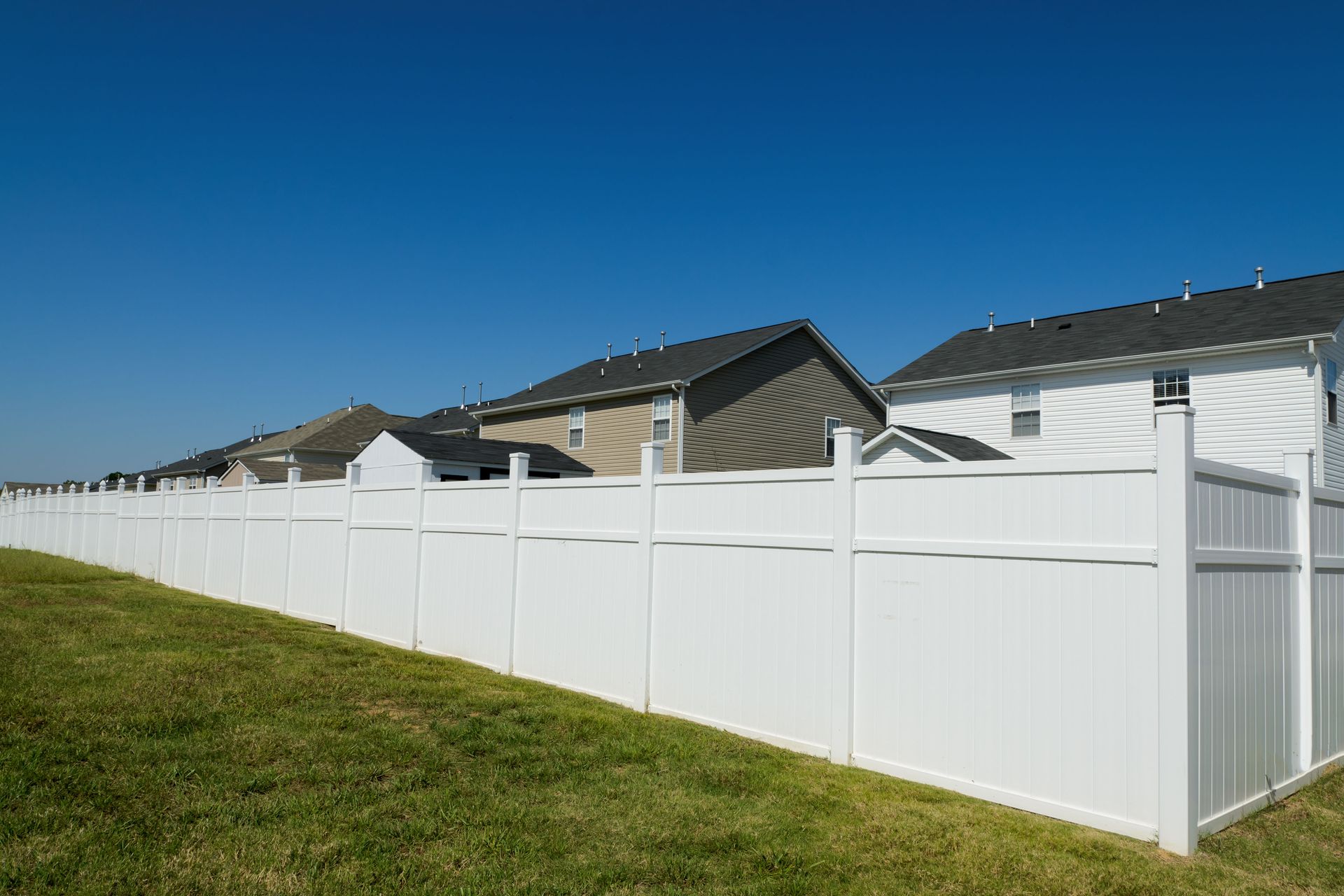
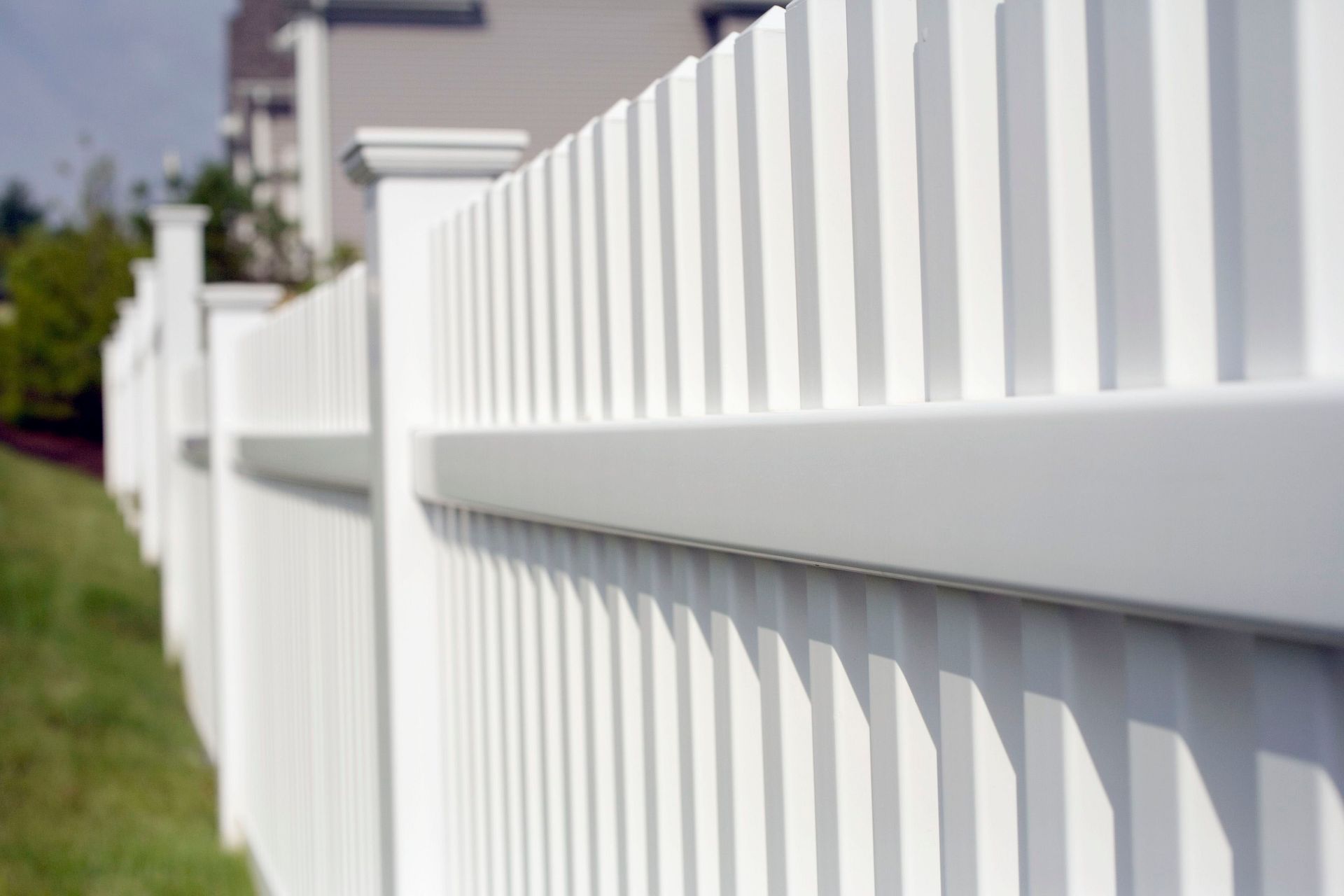
Examining synthetic visual options reveals clean, crisp architectural lines that enhance modern, contemporary, and suburban home designs. Contemporary manufacturing techniques produce sleek white, warm tan, rich mocha, and faux wood grain textures that mimic natural timber without the associated physical vulnerabilities. Precision manufacturing ensures perfectly uniform panel gaps, straight top rails, and flawless post caps across entire property lines. Relying on professional installation experts allows homeowners to choose custom panel heights, decorative lattice toppers, and matching gate configurations that dramatically enhance overall curb appeal.
Examining Environmental and Safety Impacts
Examining environmental and safety impacts provides important context for eco-conscious homeowners evaluating long-term material sustainability. Cedar represents a natural, renewable building resource that sequesters carbon during its growth cycle and biodegrades naturally at the end of its functional life. However, maintaining natural timber requires the repeated application of chemical stains, oil-based sealers, and anti-fungal treatments that can leach into surrounding garden soil over time. Sourcing sustainably harvested cedar ensures minimal forestry impact, while avoiding harsh chemical treatments preserves soil health.
Reviewing synthetic material safety highlights non-toxic, chemical-free property boundary protection that remains safe for children, pets, and livestock. Synthetic panels do not require chemical treatments, stains, or paints, eliminating toxic runoff into surrounding soil beds and domestic gardens. Furthermore, synthetic surfaces remain completely smooth and free of sharp wood splinters, protruding nails, or rough edges that could cause physical injury. Recyclable synthetic polymers can also be repurposed into new manufacturing products at the end of their long functional lifecycle, reducing landfill waste.
Selecting the right perimeter enclosure depends entirely on your aesthetic preferences, maintenance availability, long-term financial goals, and functional property demands. While classic cedar provides timeless natural charm and flexible craftsmanship, modern synthetic panels offer unmatched material durability, weather resistance, and total freedom from routine maintenance labor. Choosing high-grade synthetic materials protects your home boundary against rot, insect damage, and storm damage while preserving pristine visual appeal for decades. At A-1 Fencing, we are dedicated to providing superior fencing materials, expert installation, and personalized guidance tailored to your specific property needs. Contact our experienced team today to request a comprehensive consultation and discover how our specialized vinyl fencing service can transform your property boundaries.